Buildings
Reading a building: its context, its ideas, its drawings.
Kengo Kuma and the Art of Making Buildings Lighter
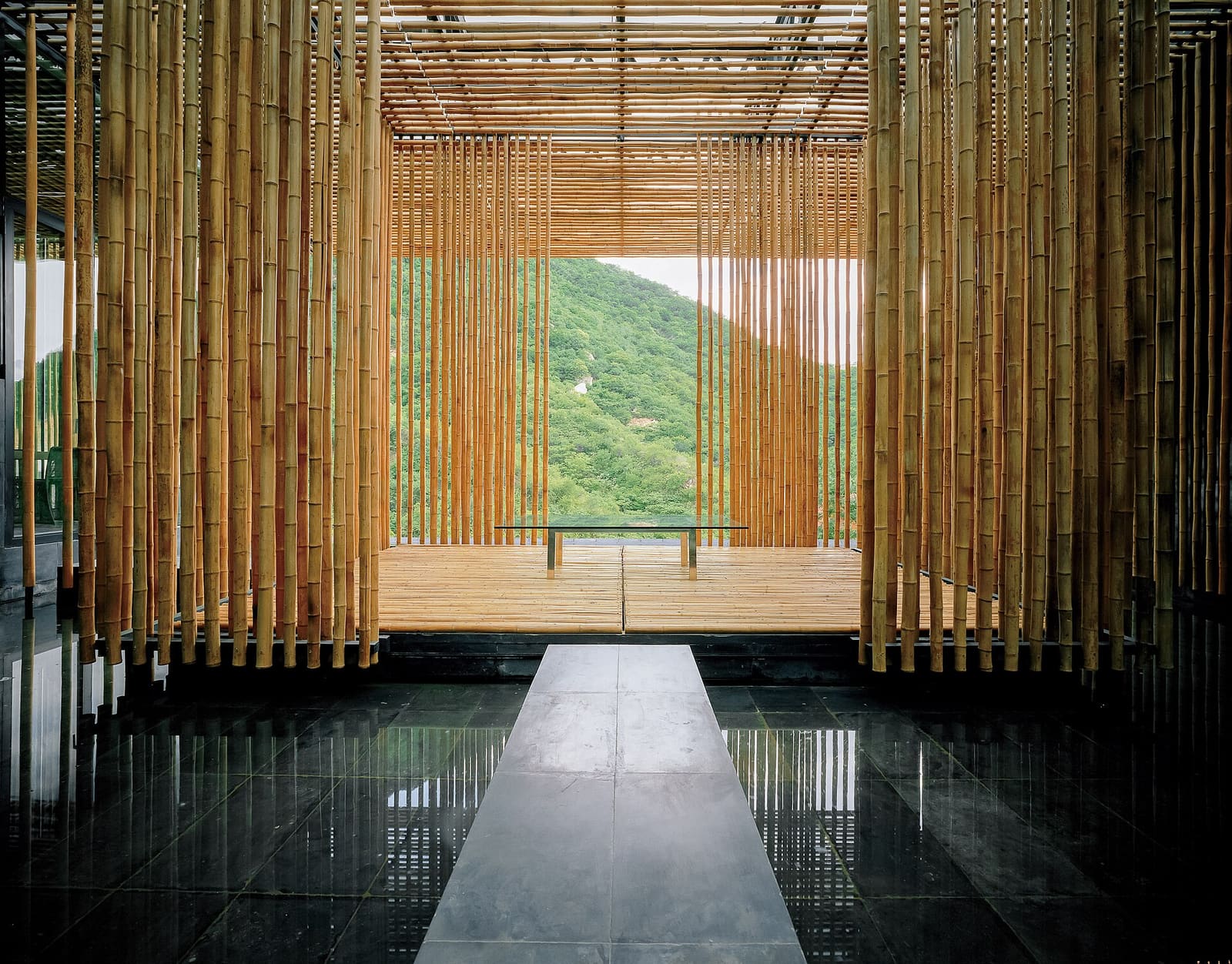
Kengo Kuma wants architecture to weigh less and show off less. He grinds materials into small particles, such as stone louvers, bamboo strips and paper, so light and wind can pass through. A few buildings, a few materials, and where to be careful.
Geoffrey Bawa: A Tropical House Is a Place to Pass Through and Stay
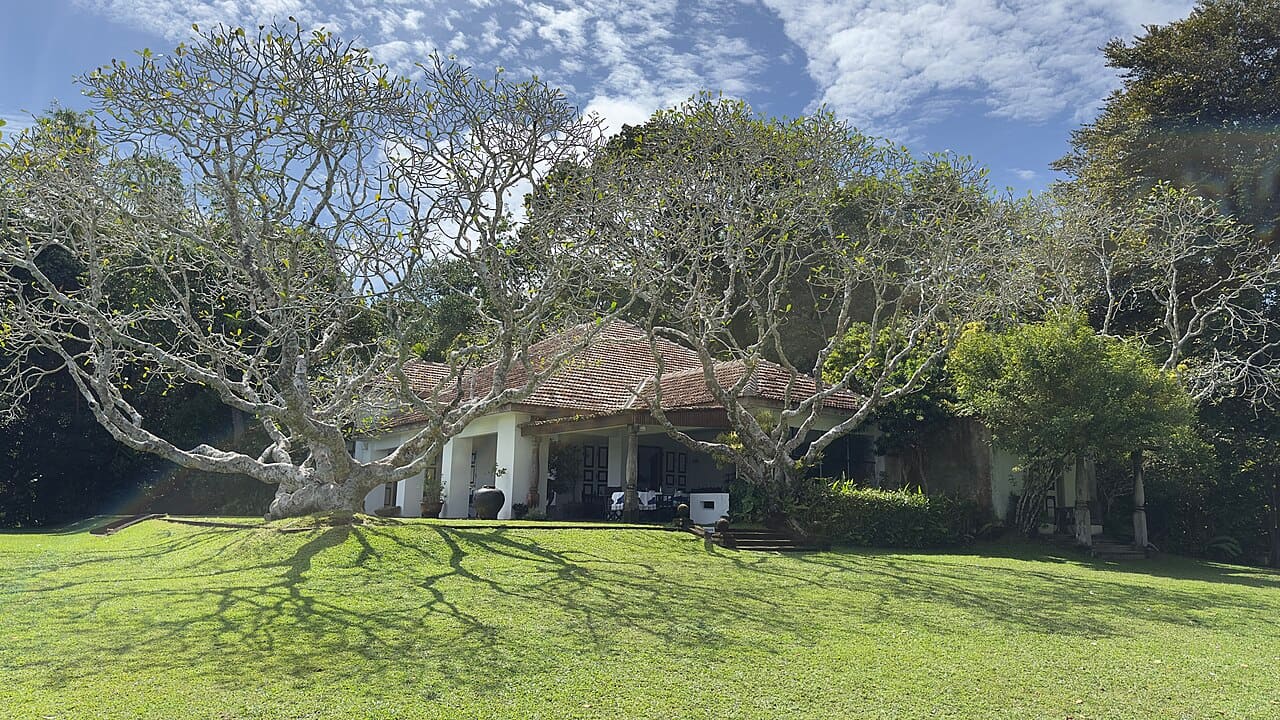
Geoffrey Bawa's houses in Sri Lanka are often little more than a roof and columns. What he cared about was where people sit, pass through, and look out: a veranda seat, a jar under a tree, a stupa on a far hill. With the ten criteria for a tropical house that Robert Powell recorded from him.
The Church of the Light: A Dark Room with Just One Slit of Light
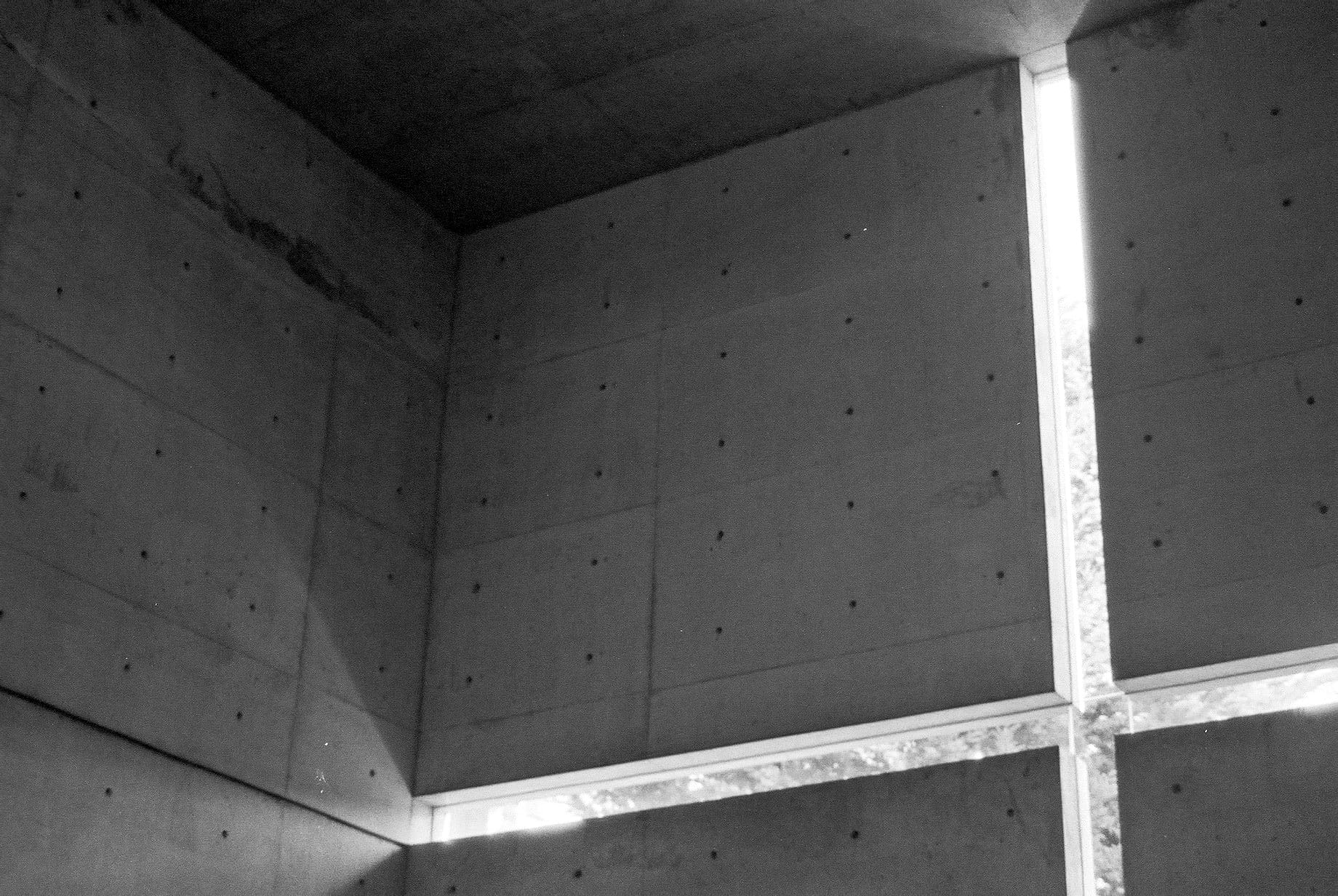
Tadao Ando's small church in Ibaraki has almost nothing but concrete, darkness, and a cross-shaped slit of light. Why does taking away openings make the light the most memorable thing in the room?
Barragán: A Wall, Color and a Patch of Sky in a Closed Courtyard
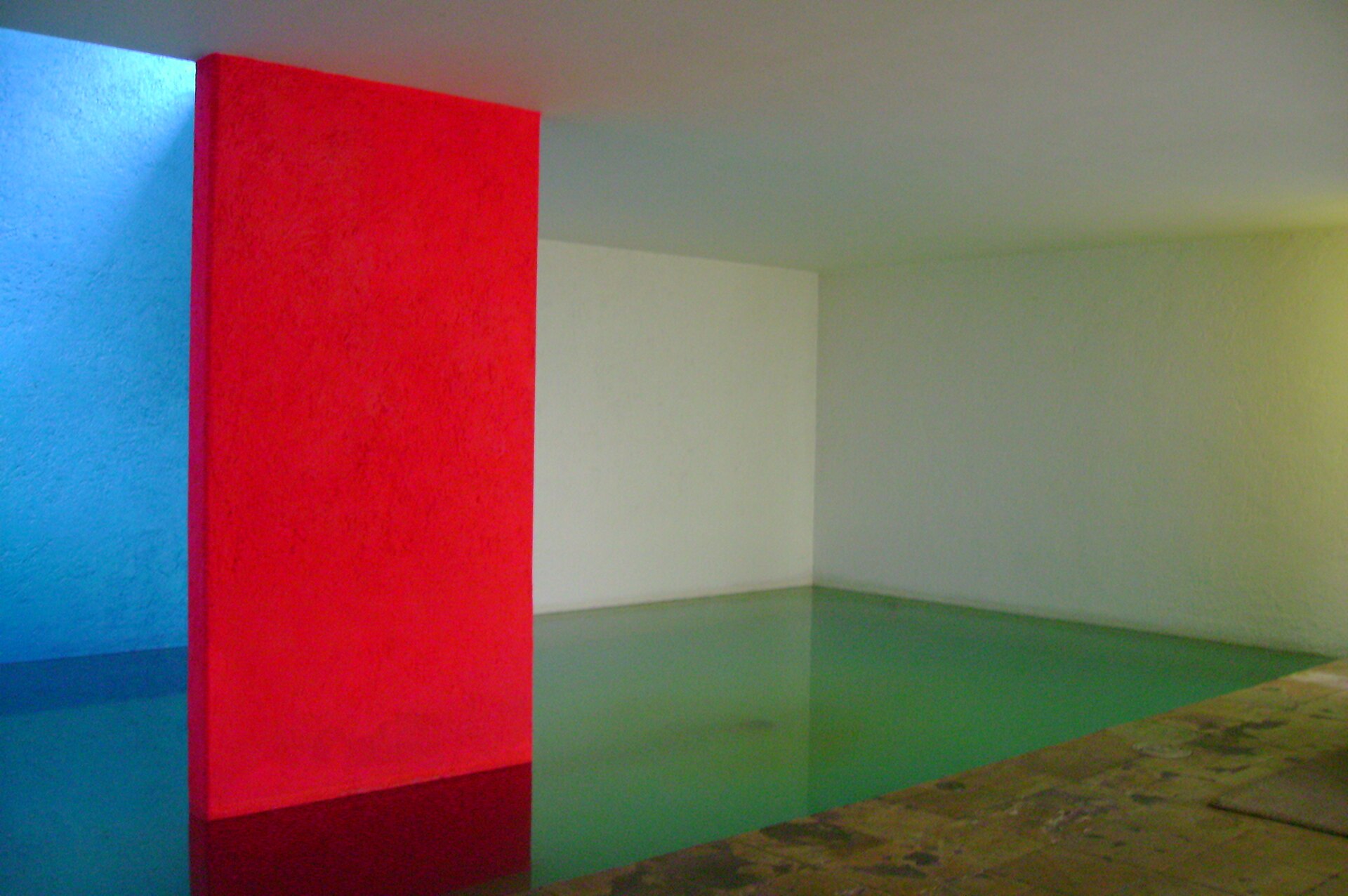
Luis Barragán moves people with very little: a wall, a few patches of color, a piece of sky. I look at how he used color and light as materials, from two childhood memories to an afternoon spent in front of a concrete wall at Salk.
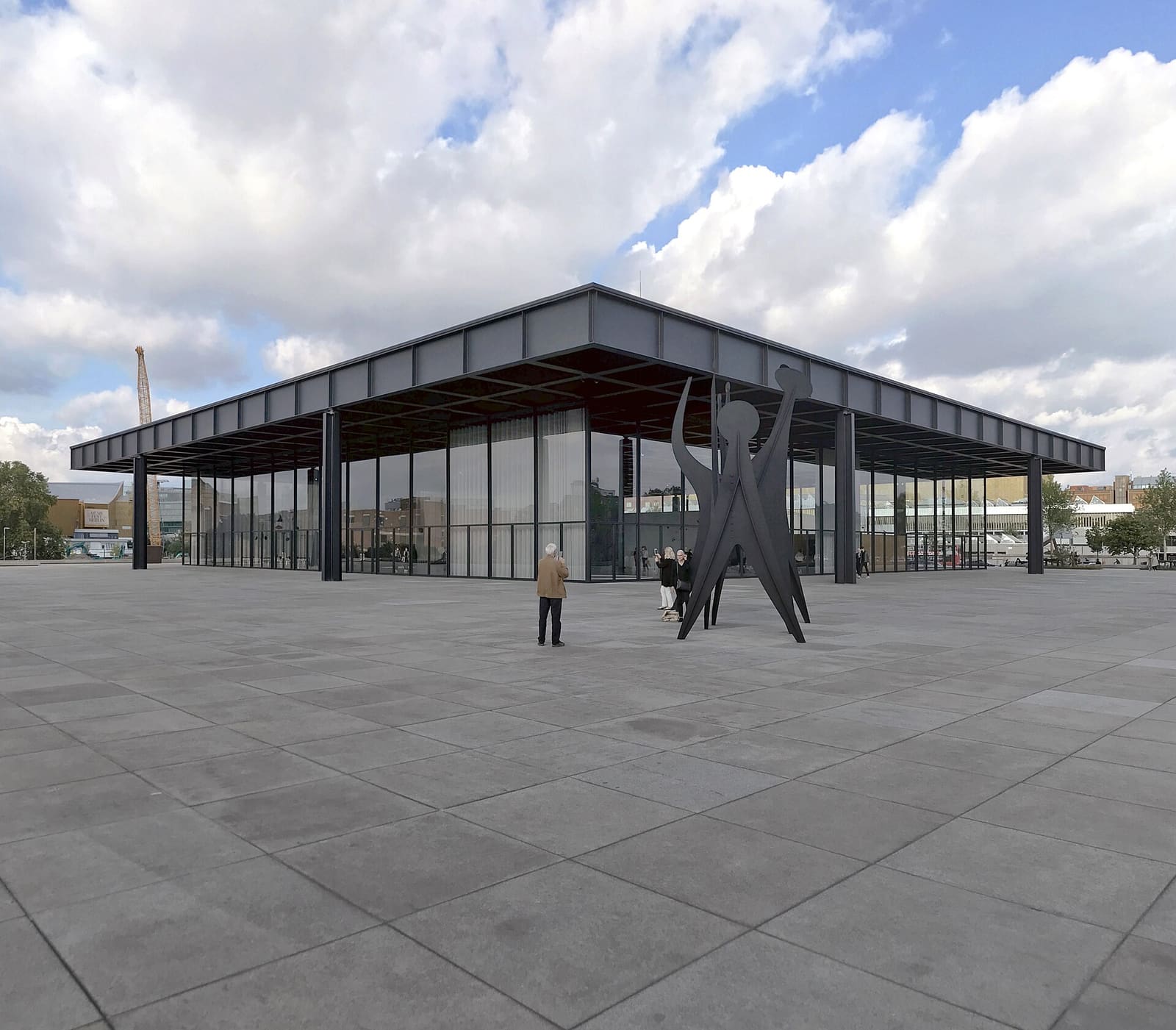
Neue Nationalgalerie: A Big Steel Roof and a Nearly Empty Room
In Berlin, Mies van der Rohe set a steel roof on eight columns and left the room beneath it nearly empty. That room can host almost anything, but it pays a price the moment paintings have to hang in it.
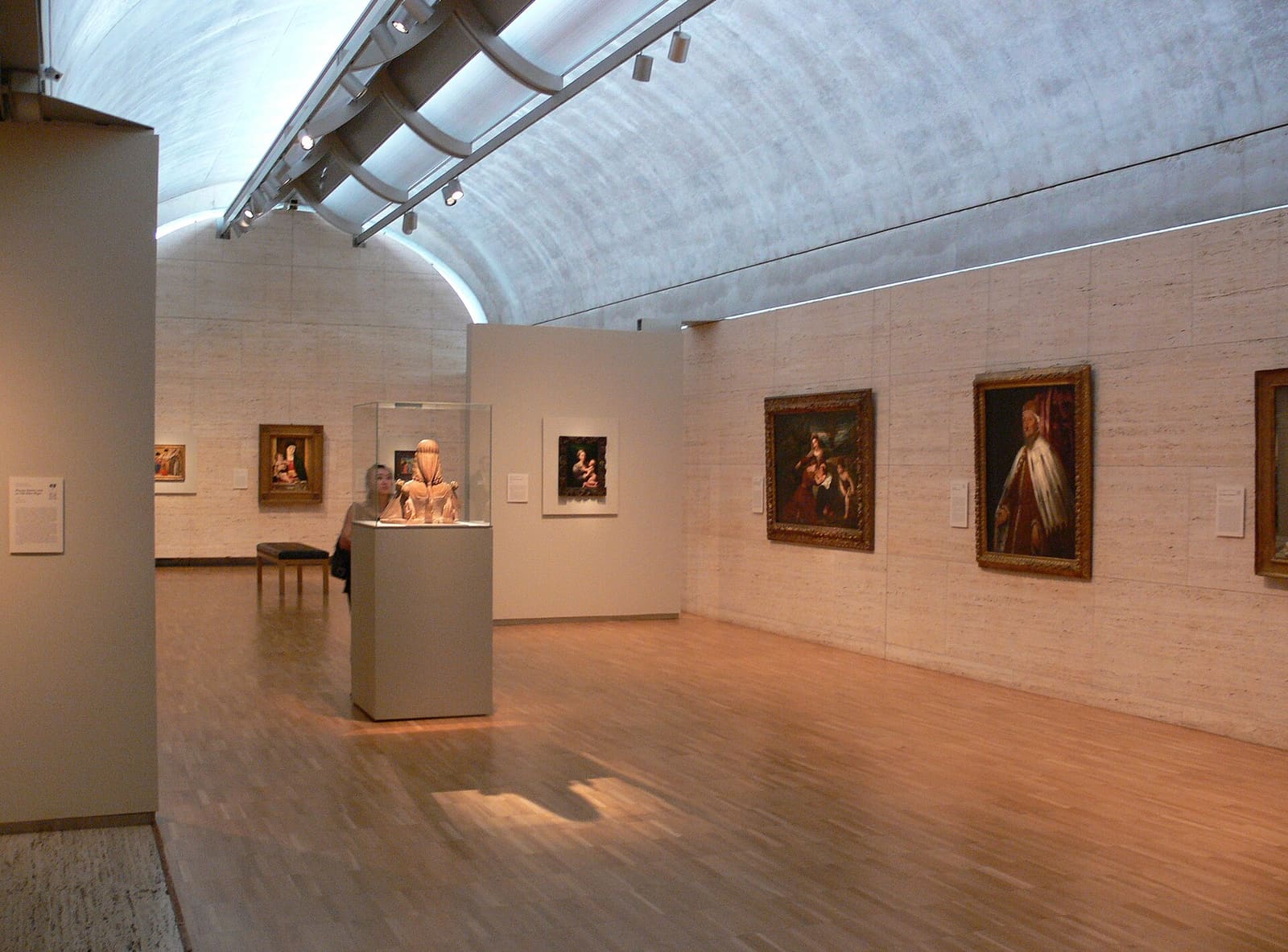
Kimbell: Making the Sun Take a Detour Before It Touches the Paintings
Louis Kahn's Kimbell Art Museum brings daylight into the galleries without letting direct sun touch the paintings: a slit at the top of each vault, a reflector, and a structure that produces light.
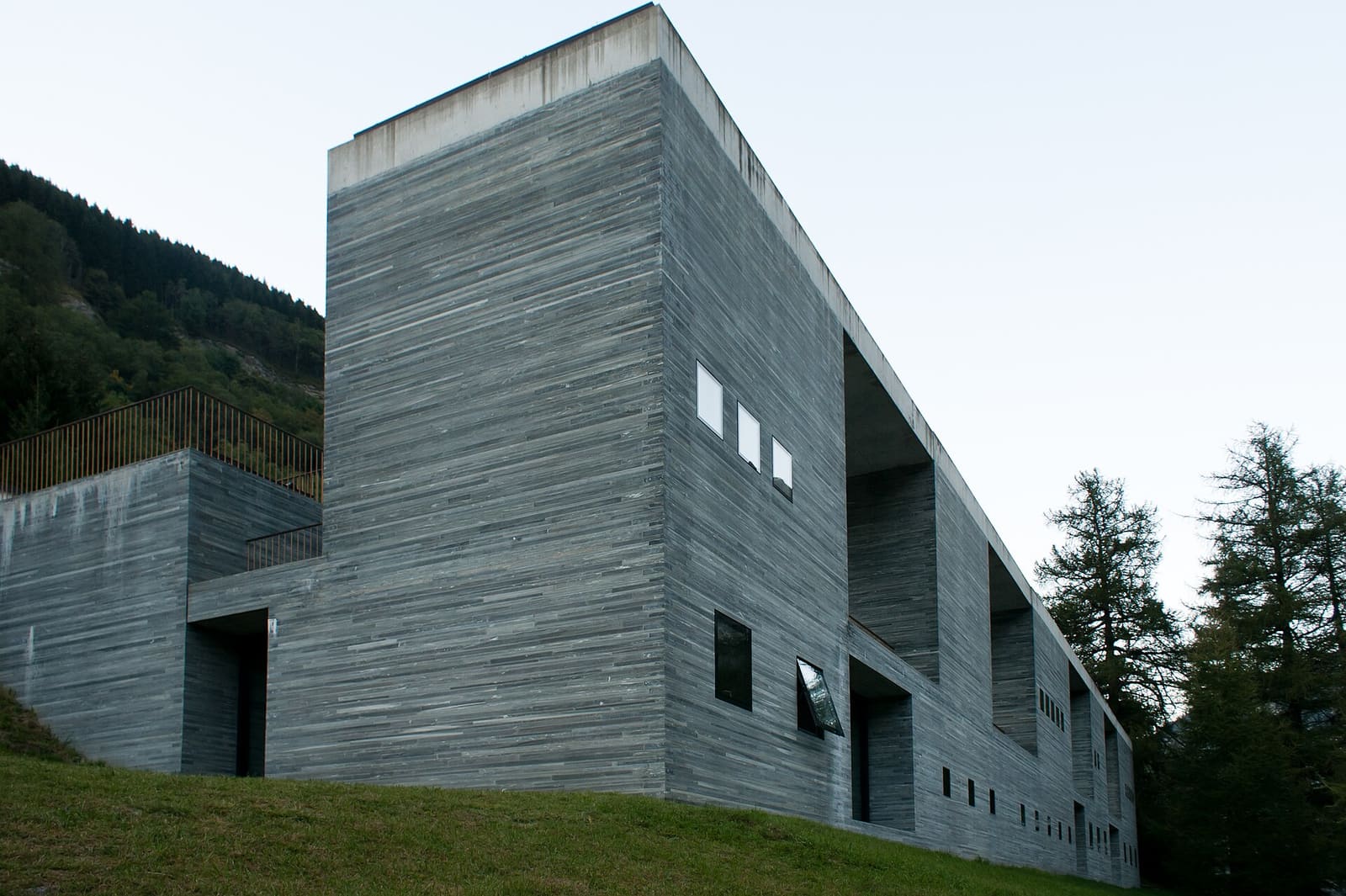
The Vals Baths: A Block of Stone Woven from Thin Slabs
A reading of Peter Zumthor's best-known building through Thinking Architecture: he began from memory, from a quarry and from questions, not from a picture of a bathhouse.